

EB-5 cases are different from most immigration matters because the immigration strategy and the investment decision are closely connected, but they are not the same thing. An immigration attorney may be fully equipped to prepare the EB-5 petition, document the investor's lawful source and path of funds, answer admissibility questions, and guide the client through the legal process. But when the client asks, "Which EB-5 project should I invest in?", the attorney is suddenly facing a very different kind of challenge.
That question is not just about immigration eligibility, but also whether the deal is actually built to pay investors back. For attorneys, the way that project selection is handled can affect client expectations, professional boundaries, and potential liability exposure. This is where FINRA-licensed brokers who focus specifically on EB-5 can play an important role.
A licensed EB-5 broker can help investors evaluate vetted EB-5 investment opportunities while allowing the immigration attorney to remain focused on the legal work. The best model is not for lawyers to become investment professionals overnight. It’s for each professional to work within the area they are trained, licensed, and responsible for. Here’s everything you need to know.
EB-5 project selection is the process of evaluating available EB-5 investment opportunities and helping an investor understand which project may be most appropriate for their immigration goals, risk tolerance, financial circumstances, and timeline.
According to USCIS, the EB-5 immigrant investor classification is “a pathway for investors who invest capital in a new commercial enterprise that creates at least 10 full-time jobs for qualifying US workers”. The standard minimum investment is $800,000* if the investment is made in a targeted employment area or $1,050,000* for non-targeted areas (*subject to change on Jan 1, 2027).
But those basic immigration requirements don’t tell an investor which project to choose. Each EB-5 project is completely private and totally different; the government does not control the project or guarantee the return of the funds. Each investor needs to evaluate whether the deal is well collateralized, actually built to hold up, and is worth more than the sponsor's word alone.
That is why project selection is not simply "finding an EB-5 project." A Google search can produce many options. Regional Centers may send polished marketing materials. Developers may highlight their strongest prior successes. But EB-5 investors need more than a list of names. They need an independent review by a qualifying financial professional of the actual investment opportunity.
The immigration attorney's role in an EB-5 case is essential. The lawyer helps determine whether the client is eligible, prepares the petition, documents the lawful source and path of funds, reviews immigration risks, manages USCIS filings, and responds to government questions when necessary.
That work is immigration legal work.
Project selection is different. A project-selection analysis may involve reviewing offering documents, financing terms, risk disclosures, developer equity, collateral, lien position, bridge financing, construction status, market assumptions, job creation methodology, exit strategy, and conflicts of interest. These are not typical immigration-law questions.
This distinction matters because clients often do not understand where the attorney's role ends. If a lawyer introduces a client to a Regional Center or sends over a few project names, the client may assume the lawyer reviewed those projects and determined that they were suitable. If the project later experiences delays, repayment problems, or other issues, the client may not remember the difference between "my lawyer introduced me" and "my lawyer recommended this investment."
For that reason, immigration attorneys should be careful to separate the legal representation from the investment guidance. Clear professional boundaries protect the client, protect the attorney, and create a better EB-5 process.
In the Regional Center context, USCIS requires designated regional centers to file Form I-956F, to request approval of a particular investment offering through an associated new commercial enterprise. That review is important, but it should not be confused with investment due diligence.
USCIS reviews the project to see if they comply with the job-creation and EB-5 program requirements. USCIS isn’t telling investors that a project is financially solid or guaranteeing repayment. They’re not saying the project is low risk, and they’re not selecting the best project for a particular investor. The joint SEC and USCIS investor alert on EB-5 investment scams warns that regional center designation does not mean USCIS, the SEC, or any other government agency has approved the investments offered by that Regional Center or expressed a view on the quality of those investments.
The U.S. government agencies give the investors total freedom of choice, but that freedom comes with the responsibility for the outcome of the investment they select.
This is one of the most important points in EB-5 project selection. A project can be legitimate and still be financially risky. A Regional Center can be well-known and still offer projects with very different risk profiles. A developer can have a strong track record and still structure a new deal in a way that may not be ideal for investors.
A FINRA-licensed broker who focuses on EB-5 helps investors evaluate EB-5 investment opportunities through a regulated investment-recommendation framework. The broker doesn’t replace the immigration attorney. Instead, the broker supports the investor on the investment side while the attorney handles the immigration side.
Here is what that support typically looks like in practice:
Before a project ever reaches an investor, a broker reviews whether it is even worth presenting. This means looking past the marketing materials to the underlying offering documents, financing structure, job creation methodology, and sponsor history, and ruling out projects that do not meet baseline standards for transparency or structure.
Once a project clears initial screening, the broker digs into the specifics: the capital stack, funds spent to date, collateral position, construction status, land entitlements, and the sponsor's track record on prior EB-5 deals. This is the layer of analysis that goes beyond what USCIS project review covers.
A broker considers the individual investor's financial situation, risk tolerance, timeline, and liquidity needs before recommending any specific project. What is appropriate for one investor may not be appropriate for another, even if both are pursuing the same visa category.
Rather than presenting a single option, a broker can walk an investor through how multiple available projects stack up against each other on repayment terms, developer equity, and risk profile, so the investor is not choosing in a vacuum.
Based on the screening, due diligence, and suitability review, the broker makes a specific recommendation and documents the reasoning behind it, within the regulated framework described below.
That is very different from a Regional Center representative who explains only the project they are raising money for. A Regional Center may be reputable and helpful, but its role is still to raise capital for its own project. A FINRA broker has a fiduciary duty to the investor, so a broker is not promoting any specific project, but instead helps the investor compare options and helps understand the tradeoffs.
FINRA's suitability guidance (under Rule 2111) focuses on factors such as a customer's investment objectives, financial situation, tax status, investment experience, time horizon, liquidity needs, and risk tolerance, among other profile considerations. FINRA describes these suitability obligations as central to investor protection and fair dealing with customers, and breaks them into three components: reasonable-basis suitability, customer-specific suitability, and quantitative suitability.
In addition, FINRA's overview of Regulation Best Interest explains that it establishes a best-interest standard of conduct for broker-dealers and associated persons when making recommendations to retail customers involving securities transactions or investment strategies, going beyond the suitability standard alone.
Licensing does not mean every broker is equally careful, experienced, or ethical. Investors and attorneys should still evaluate the professional they are working with. FINRA BrokerCheck is a free public tool that lets anyone review a broker's employment history, certifications, licenses, and certain disclosures.
But licensing does matter because it places the project-selection conversation within a regulated framework. For immigration attorneys, that framework helps clarify that the investment recommendation is being handled by someone in the proper professional lane.
Strong EB-5 due diligence is more than reading a brochure or relying on a Regional Center's reputation. It should examine the project, the people behind it, the capital structure plan vs. actual expenditures to date, the investor protections, and the risks the investor is being asked to take.
A serious review often includes:
This type of review does not eliminate risk. EB-5 investments must remain at risk, and no responsible professional should promise immigration approval, capital repayment, or a specific financial outcome. But due diligence can help investors distinguish between projects that merely look attractive versus those that have undertaken meaningful steps to move forward and provide safeguards for investors.
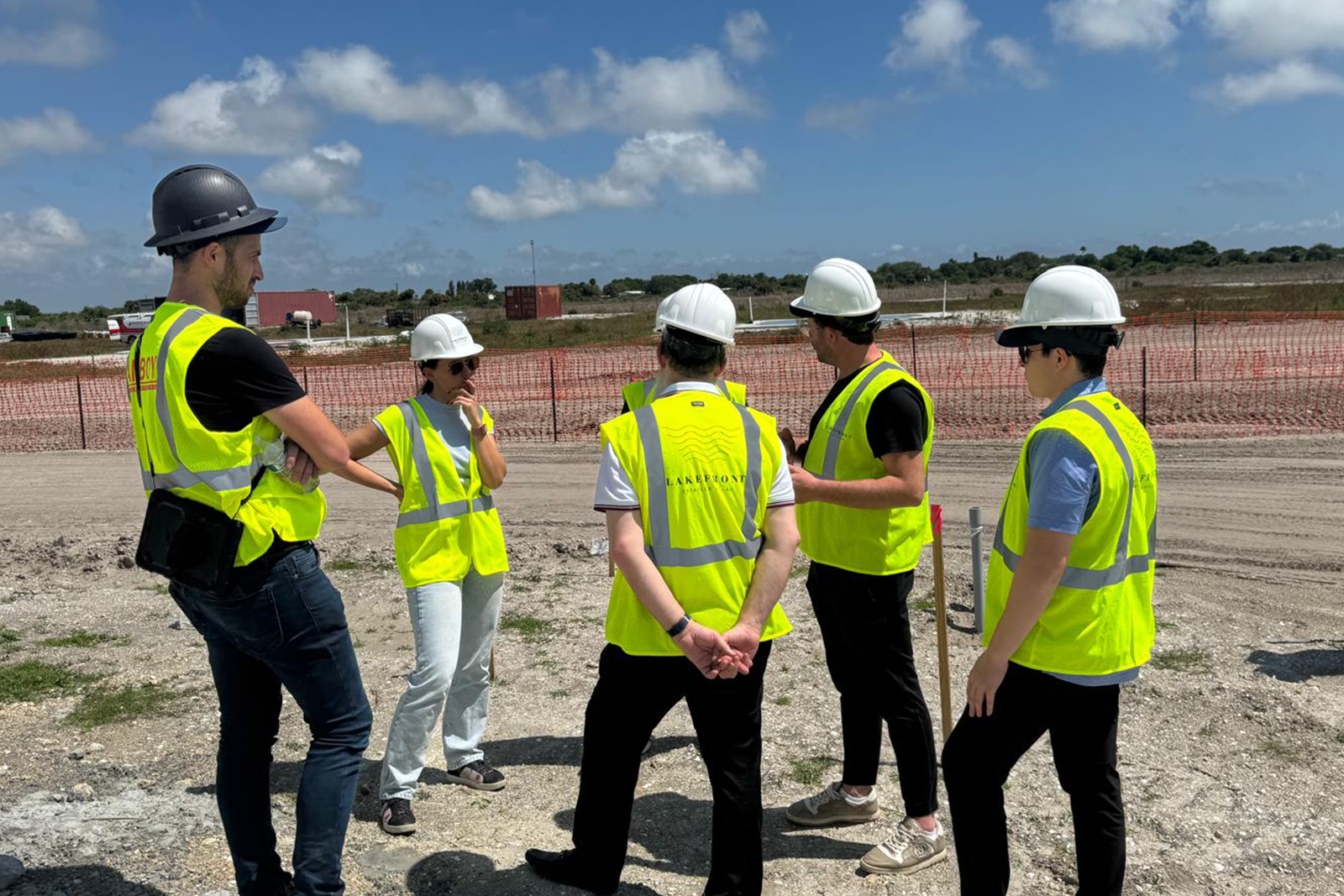
One of the common mistakes in EB-5 is assuming that a recognizable Regional Center name resolves the due diligence question. Reputation matters, but every project is different; past success does not guarantee future performance.
A large Regional Center sponsors many projects; some may be stronger than others. One project may be nearly complete, supported by substantial developer equity, backed by solid collateral, and close to job creation targets. Another project from the same ecosystem may be earlier stage, more dependent on future financing, less collateralized, or based on assumptions that are harder to verify.
The Regional Center's reputation is relevant, but it is not the whole analysis.
A proper project review should ask whether EB-5 capital is coming in early or late in the capital stack, how much the developer has already invested, whether construction is underway, what repayment protections exist, whether the senior loan is closed or merely expected, and how the project compares with other EB-5 options available to the investor.
These are not questions most immigration attorneys should be expected to answer alone. They are investment-analysis questions. And they are exactly the kinds of questions investors need answered before committing substantial capital.
A strong EB-5 process works best when the immigration attorney and investment professional each have a clearly defined role. The attorney handles the legal case. The broker handles project selection and investment guidance. The investor receives support from both sides without confusing one professional's responsibilities with the other's.
For immigration attorneys, this division of labor pays off in several concrete ways:
It lets lawyers add EB-5 to their practice without becoming investment advisors
Many attorneys are fully capable of learning the petition process, source-of-funds documentation, and immigration strategy. That does not mean they should be the ones analyzing private placement investments, which require extensive FINRA licensing and regulatory obligations.
It gives clients better project-specific guidance
Investors often have detailed questions once they begin reviewing projects: what is the difference in debt vs equity structures, what does 3+1+1 investment term mean, what is a mezzanine loan, how many prior I-829 approvals did the Regional Center receive, and many more. Those questions deserve careful answers from someone focused on the investment side, not a quick read of a marketing deck.
It saves lawyers time
When a client reviews projects alone, many project-related questions come right back to the immigration attorney. The lawyer may then spend unpaid time trying to understand and explain project details that fall outside the scope of the legal work. A broker can absorb much of that project-selection conversation and keep the attorney focused on the I-526E petition.
It reduces confusion about responsibility
When the attorney refers the investor to a licensed professional for project selection, it becomes clearer that the lawyer is not recommending the investment. That clarity can matter if the project later faces delays, repayment issues, or other problems, both for the client's understanding and for the attorney's own risk exposure.
Many EB-5 investors are not professional investors. Some are entrepreneurs or executives who understand business but not US private placements. Others are families focused primarily on immigration and may view the investment as a required step in the green card process.
That mindset can be risky. The investment is not a formality. The SEC and USCIS investor alert warns that if an EB-5 investment turns out to be fraudulent, an investor could lose both money and the intended path to lawful permanent residence.
EB-5 investors are pursuing two related but distinct goals. The first is immigration success. The second is capital preservation and eventual repayment. A project may appear attractive from one angle but weaker from another. An in-depth project-selection process helps investors see those tradeoffs more clearly.
The point is not that one type of project is always better. The point is that the investor needs a real analysis.
The EB-5 market has matured. Investors have more options, attorneys are more aware of risk, and Regional Centers are operating in a more compliance-focused environment. USCIS project filings, SEC investor warnings, FINRA licensing standards, and increased industry sophistication all point in the same direction: EB-5 project selection should be handled carefully, transparently, and by the right professionals.
For immigration attorneys, the goal should not be to avoid EB-5 because the investment side feels complicated. Nor should the goal be to handle every part of the process personally. The better model is collaborative.
The attorney guides the immigration case. The broker guides the project-selection process. The investor receives clear information from both sides.
That is a more compliant and more professional way to approach EB-5.
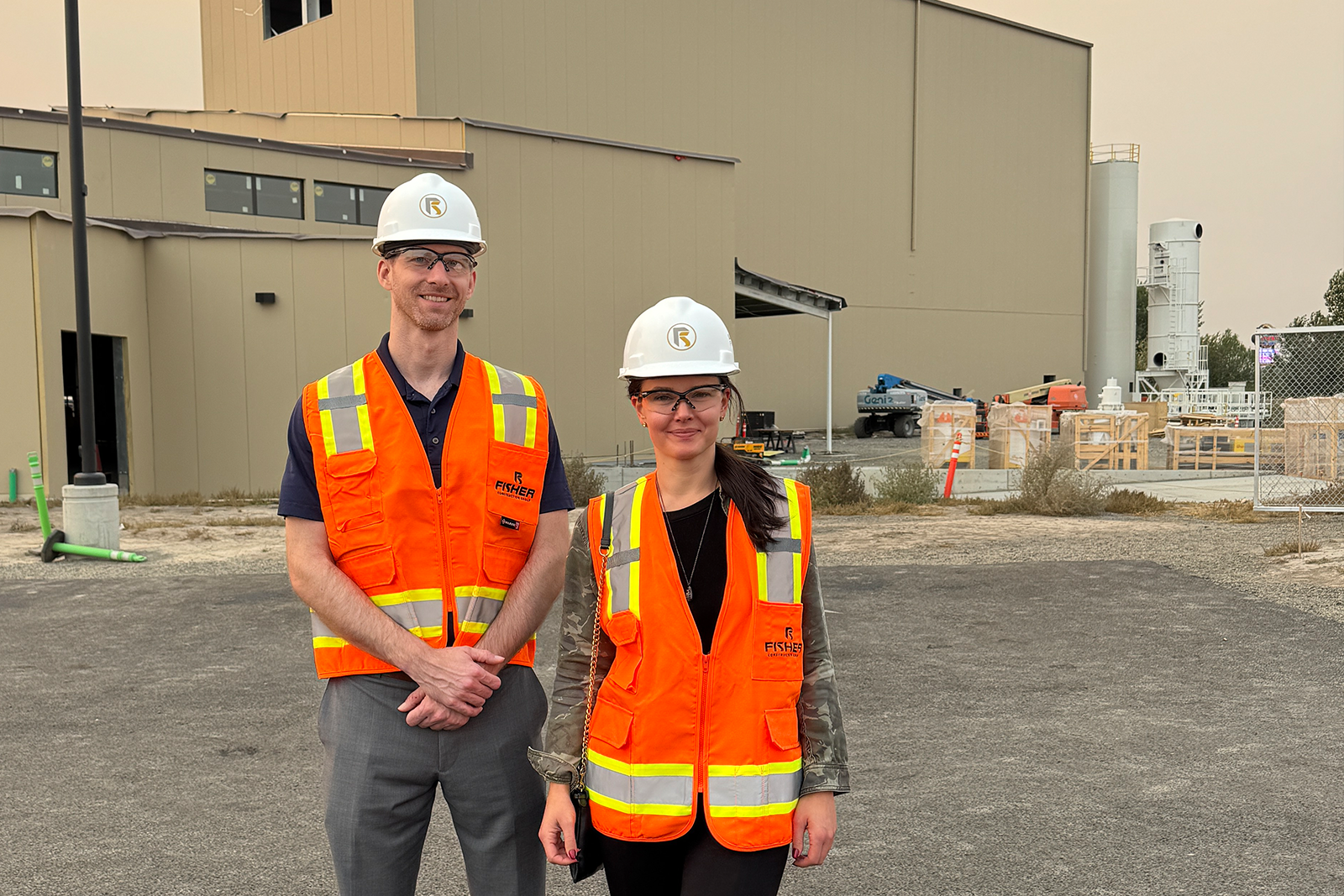
EB-5 project selection is too important to leave to guesswork, reputation alone, or informal introductions. Immigration attorneys should be able to help clients pursue EB-5 without stepping outside their legal role.
At EB-5 Support, we help immigration attorneys learn EB-5, build confidence in the legal workflow, and support clients more effectively. When clients need help evaluating investment opportunities, our FINRA-licensed investment professionals work with the investors directly to help them review pre-vetted EB-5 projects, understand project structures, and compare risks and tradeoffs through a diligence-driven process.
For immigration attorneys whose clients are asking about EB-5, the right next step is not to hand over a random list of projects or Regional Centers, but to educate the investor about the availability of licensed professionals who can guide them.
If you’re ready to discuss your EB-5 needs, get in contact today.
_______
Brokerage services are provided by Sequence Financial Specialists (Member FINRA/SIPC) d/b/a InvestAmerica to accredited investors only. These securities are not registered with the SEC. Investing involves risks, including the possible loss of principal. Investing in alternative investments is highly speculative, involves a high degree of risk and has the potential for significant losses, including, in some cases, losses that exceed the principal amount invested. Some alternative investments have experienced periods of extreme volatility and, in general, are not suitable for all investors. EB-5 Support and Sequence Financial Specialist are separate entities.
Learn more about EB-5 Visa Program
EB-5 Support is here to assist visa seekers, immigration attorneys, and project developers with expert guidance and due diligence.
Schedule a ConsultationEB-5 support
Phone number
Address
This website is for informational purposes only and is not intended as an offer or solicitation with respect to the purchase or sale of any security. Alternative Investments are speculative and illiquid, and investors may lose some or all of their investment. Securities offered through Sequence Financial Specialists dba Invest America, member FINRA/SIPC. Invest America and EB-5 Support are separate and unaffiliated entities. Copyright © 2026 EB-5 Support. All rights reserved. Privacy Policy